




Introduction to Teeth Grinding (Bruxism)
Teeth grinding, medically known as Teeth grinding (bruxism), is a common condition that affects millions of people worldwide. It involves the involuntary clenching, grinding, or gnashing of teeth, typically during sleep. Bruxism can lead to various health problems, including tooth damage, jaw pain, and headaches. While it may seem like a minor habit, over time, untreated bruxism can have severe consequences on your overall oral health and well-being. In this article, we will explore the causes, symptoms, and effects of teeth grinding, as well as the most effective treatments to address this issue.
The Impact of Teeth Grinding on Your Teeth and Jaw
One of the primary concerns with bruxism is the damage it causes to your teeth. The constant grinding and clenching exert significant pressure on your teeth, leading to wear and tear. Over time, this can result in chipped, cracked, or even fractured teeth. Additionally, bruxism can cause your enamel to erode, leaving your teeth more susceptible to cavities and sensitivity.
The effects of bruxism extend beyond just your teeth. It can also place strain on your jaw muscles and temporomandibular joint (TMJ), which connects your jaw to your skull. This strain can lead to jaw pain, stiffness, and even difficulty opening or closing your mouth. In severe cases, it may result in TMJ disorders, which can cause chronic pain and discomfort.
Understanding the Causes of Bruxism
There are several factors that can contribute to the development of bruxism. Stress and anxiety are among the most common triggers for teeth grinding. When you are stressed or anxious, your body tends to tense up, and this tension can manifest as teeth grinding, particularly during sleep. Mental health conditions, such as depression, can also increase the likelihood of bruxism.
Another significant cause of bruxism is misalignment of the teeth or an abnormal bite. When your teeth don’t align properly, it can create discomfort, prompting you to grind your teeth to relieve the pressure. Certain medications, especially those used to treat mental health disorders, can also be a contributing factor to bruxism. Additionally, lifestyle factors such as alcohol consumption, smoking, and the use of recreational drugs can exacerbate teeth grinding.
Symptoms and Warning Signs of Bruxism
While bruxism often occurs during sleep and may go unnoticed, there are several warning signs that can indicate its presence. One of the most common symptoms is a dull, constant headache, particularly in the morning. This is often a result of the excessive clenching of the jaw muscles during sleep.
Other signs include tooth sensitivity, pain in the jaw or face, and worn-down or flattened teeth. If you notice any of these symptoms, it is important to seek professional dental care. A dentist will be able to examine your teeth and jaw and recommend appropriate treatments to address the issue.
The Connection Between Teeth Grinding and Health and Wellness
Teeth grinding can have significant implications for your overall health and wellness. Beyond the physical effects on your teeth and jaw, bruxism can contribute to a range of health issues. Chronic teeth grinding can lead to poor sleep quality, as it often disrupts the natural rest cycles. As a result, individuals with bruxism may experience fatigue, irritability, and difficulty concentrating during the day.
Moreover, the stress and anxiety that often accompany bruxism can create a vicious cycle. The more you grind your teeth due to stress, the more stressed and anxious you may become about the issue, which only exacerbates the problem. This ongoing cycle can take a toll on both your mental and physical health, making it essential to address bruxism as soon as possible.
Diagnosing Bruxism
Diagnosing bruxism typically begins with a dental examination. Your dentist will look for signs of tooth wear, cracked teeth, or damage to dental restorations, which are common indicators of bruxism. They may also check for jaw tenderness or limited movement, which can signal TMJ issues related to teeth grinding.
In some cases, your dentist may recommend a sleep study if they suspect that your bruxism is occurring during sleep. A sleep study can help identify whether you are grinding your teeth while sleeping, which can assist in determining the most appropriate treatment.
Treatment Options for Bruxism
The treatment for bruxism largely depends on the underlying cause and the severity of the condition. Here are some common treatments that may be recommended:
- Mouthguards or Splints
One of the most effective treatments for bruxism is the use of a custom-made mouthguard or splint. These devices are worn at night to protect your teeth from the damaging effects of grinding. A dentist can create a mouthguard specifically designed to fit your mouth, providing a cushion between your upper and lower teeth. - Stress Management Techniques
Since stress is a major contributor to bruxism, incorporating stress management techniques into your daily routine can help reduce the frequency and intensity of teeth grinding. Meditation, yoga, deep breathing exercises, and regular physical activity are all excellent ways to manage stress and promote relaxation. - Behavioral Therapy
Cognitive behavioral therapy (CBT) has been shown to be effective in treating bruxism, especially when it is related to anxiety or stress. CBT helps individuals recognize and modify the thought patterns and behaviors that contribute to teeth grinding. By addressing the root cause of bruxism, therapy can help break the cycle of teeth grinding and alleviate its effects. - Dental Treatments
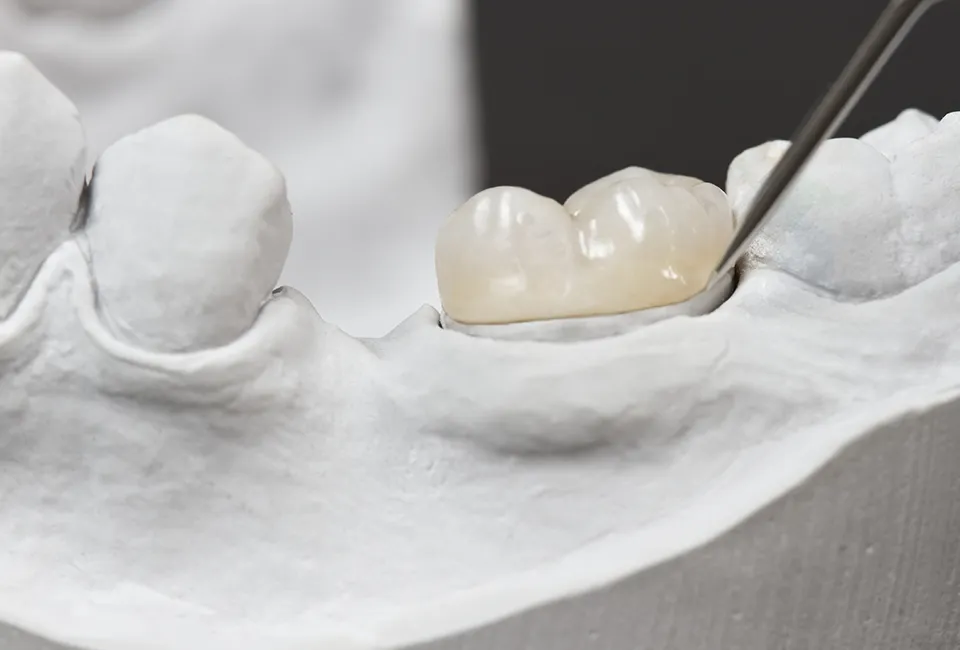
In cases where bruxism has caused significant damage to the teeth, restorative dental treatments may be necessary. This may include dental crowns, fillings, or veneers to repair worn-down or cracked teeth. If bruxism is causing TMJ disorders, a dentist may recommend physical therapy or other treatments to alleviate pain and improve jaw function. - Medication
In some cases, medications may be prescribed to help manage bruxism, especially if it is linked to an underlying condition such as anxiety or sleep disorders. Muscle relaxants can help reduce jaw tension, while antidepressant medications may be used to treat anxiety or depression that may be contributing to the grinding.
Prevention of Teeth Grinding
While bruxism can be challenging to prevent completely, there are several steps you can take to reduce the likelihood of teeth grinding:
- Establish a Relaxing Bedtime Routine
Creating a calming bedtime routine can help reduce stress and promote relaxation before sleep. This may include activities such as reading, taking a warm bath, or practicing relaxation techniques. - Avoid Stimulants
Avoiding stimulants such as caffeine, alcohol, and nicotine, especially in the evening, can help reduce the likelihood of teeth grinding. These substances can increase muscle tension and exacerbate stress. - Maintain Regular Dental Checkups
Regular dental visits are crucial for monitoring and managing bruxism. Your dentist can detect early signs of teeth grinding and recommend preventive measures to protect your teeth and jaw.
Conclusion
Teeth grinding (bruxism) is a common yet often overlooked condition that can have a significant impact on your dental health and overall wellness. Whether caused by stress, anxiety, or misalignment of the teeth, bruxism can lead to tooth damage, jaw pain, and other complications. By understanding the causes, symptoms, and treatment options for bruxism, you can take proactive steps to protect your teeth and improve your overall well-being. If you suspect that you are grinding your teeth, seek professional dental care to develop a personalized treatment plan and prevent long-term damage.