




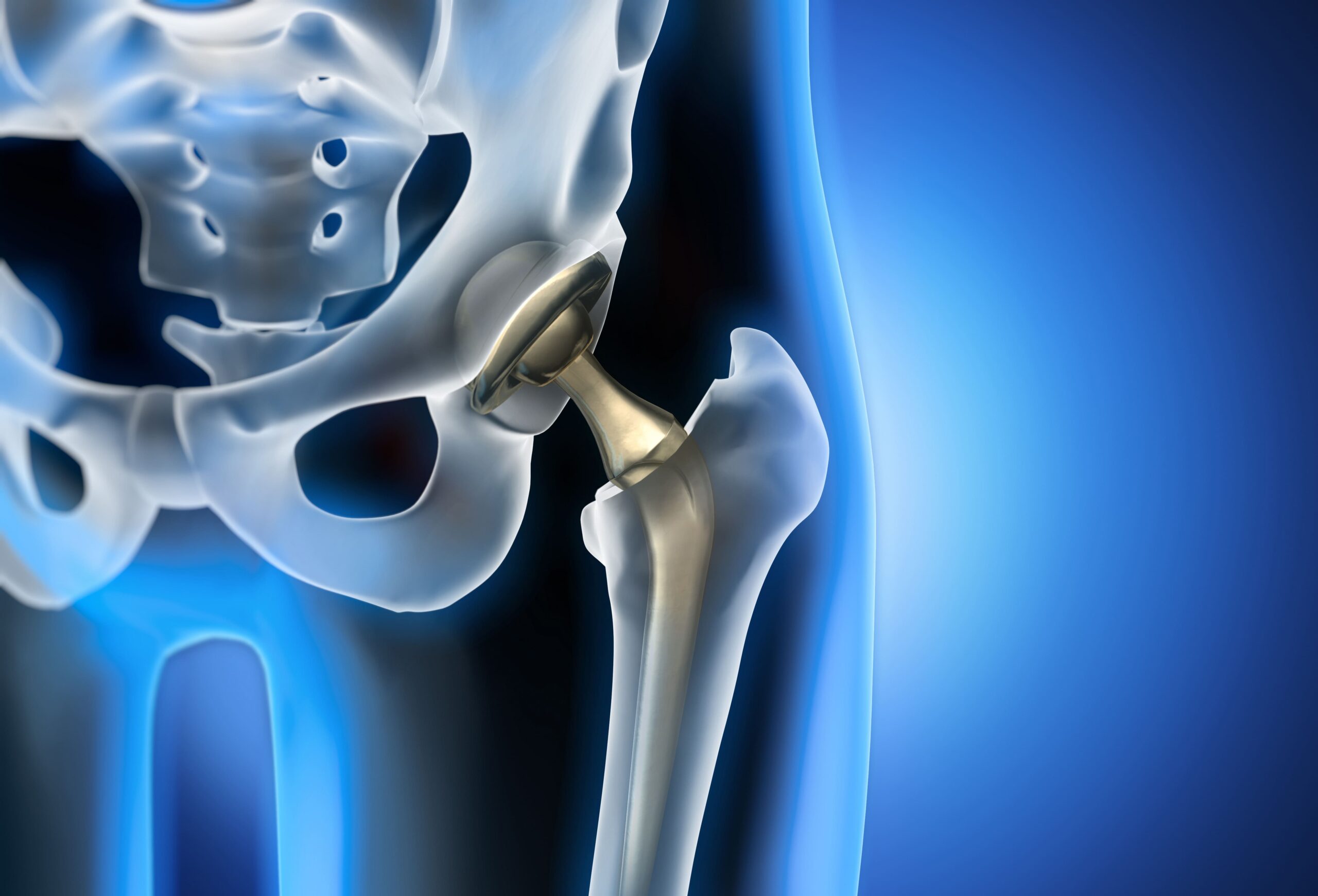
Modern hip replacement surgery has transformed millions of lives, giving people renewed mobility and confidence. Many patients naturally wonder how long their artificial joint will function smoothly and what factors influence its longevity. In this guide, we’ll explore the real-life lifespan of hip implants, how to protect them over the years, and what signs indicate when it may be time for reassessment. When discussing durability, it’s important to understand how long a hip replacement last based on lifestyle, implant quality, and post-surgery habits.
Understanding How Hip Replacements Age
Before diving deeper, it’s important to know that hip replacements do not wear out all at once. Instead, their longevity depends on daily movement, bone health, and how well the surrounding tissues remain stable. Let’s explore what affects hip implants and how patients can extend their performance.
Implant Materials and Wear
The materials used in hip replacements play a major role in how long they last. Modern implants use advanced ceramics, metal alloys, and high-density polyethylene designed to reduce friction. With less wear, patients often enjoy years of comfortable movement. Understanding material quality helps you set realistic expectations for long-term durability.
How Daily Activity Affects Longevity
Your activity level significantly influences the lifespan of an implant. High-impact movements like running or jumping can accelerate wear, while walking, swimming, and cycling are gentler on the joint. Maintaining an active yet balanced lifestyle helps protect the artificial hip from premature strain.
Bone Quality and Healing
Strong bones support the implant more effectively. Conditions like osteoporosis may reduce implant stability over time. Ensuring proper calcium, vitamin D, and regular weight-bearing exercise helps promote long-term implant success. Good bone health is just as vital as the implant material itself.
Strengthening Your Journey to Long-Term Comfort
Once the joint has healed, long-term success depends on consistent care, healthy movement, and mindful lifestyle choices. This stage is where patients truly influence their hip replacement experience. The first paragraph under this H2 must naturally include the second keyword, so here it is integrated: Many individuals rely on steady routines and balanced living principles rooted in Health and Wellness to keep their artificial hip functioning optimally for decades.
Building Joint-Supportive Habits
Supportive habits include maintaining a healthy weight, keeping muscles strong, and practicing proper gait patterns. Even small adjustments like wearing supportive footwear can reduce pressure on the hip. Over time, these habits reduce strain and help preserve implant quality.
Physical Therapy and Strength Training
Therapists often guide patients through tailored exercises that strengthen surrounding muscles. Strong glutes, quadriceps, and core muscles improve stability, making movements smoother and reducing joint stress. Regular strength training—done safely—helps extend the lifespan of the artificial hip.
Avoiding High-Risk Movements
While modern implants are durable, certain motions place excessive force on the joint. Twisting suddenly, lifting heavy loads improperly, or engaging in intense contact sports may increase the risk of injury. Learning joint-safe movement patterns is essential for long-term comfort.
Monitoring Your Hip Replacement Over Time
Even when everything feels normal, periodic monitoring ensures early detection of issues. Your artificial hip works silently in the background, but that doesn’t mean you should forget about it. Regular assessments help keep track of joint wear and stability.
Recognizing Early Signs of Wear
Subtle symptoms such as discomfort, stiffness, or clicking could indicate mechanical changes. While not always concerning, these signs deserve attention. Early evaluation helps prevent complications and keeps your movement smooth.
Importance of Follow-Up Appointments
Scheduled check-ups allow your doctor to assess bone integrity, implant alignment, and overall performance. X-rays or scans can reveal early wear long before symptoms appear. These proactive measures support continued joint reliability.
When Revision Surgery Might Be Needed
Hip revisions may become necessary when implants loosen, wear down, or cause discomfort. Although revision surgeries are more complex, they restore stability and improve mobility when needed. Understanding this possibility helps manage expectations for long-term care.
FAQs
Q: How long does a typical hip replacement last today?
A: Most modern hip replacements last 20–30 years, with many lasting longer due to improved materials and surgical techniques. Individual lifestyle and bone health significantly affect longevity.
Q: What activities are considered safe after hip replacement surgery?
A: Low-impact activities such as walking, swimming, cycling, and gentle strength exercises are generally safe. Always consult your doctor before starting high-impact or strenuous activities.
Q: How often should I schedule check-ups for my hip implant?
A: Most specialists recommend a check-up every 1–2 years, even if you feel fine. Regular monitoring catches early signs of wear and ensures long-term joint protection.
Conclusion
Hip replacement surgery empowers individuals with renewed movement and relief from chronic joint pain. While implants are built to last, their lifespan depends heavily on lifestyle habits, bone health, and consistent medical monitoring. With mindful care, most patients enjoy decades of comfortable, confident movement. Modern advancements continue to strengthen implant durability, making a long, active life more achievable than ever.
By understanding how hip replacements age and taking proactive steps to protect them, you can confidently maintain mobility and independence for years—ensuring your artificial hip serves you reliably well into the future.
