




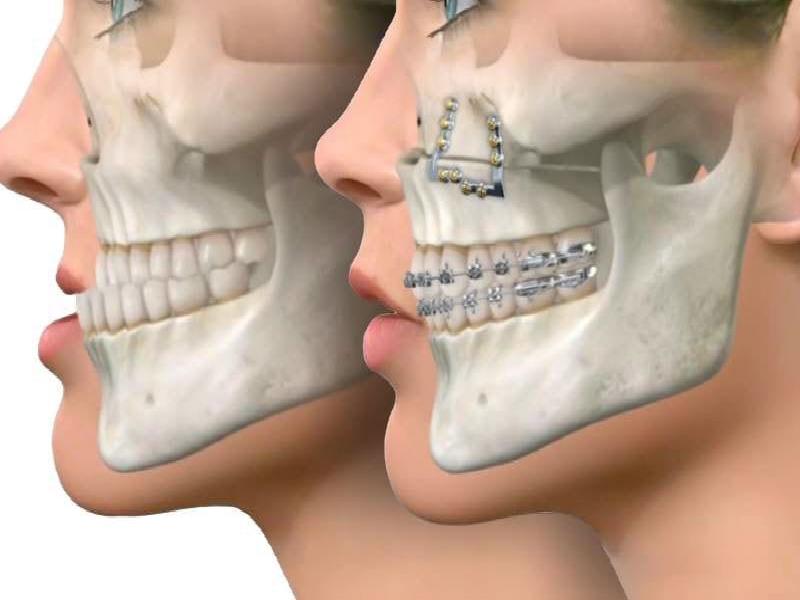
Jaw surgery, or orthognathic surgery, is a significant procedure designed to correct misaligned jaws, bite issues, and facial asymmetry. Proper preparation is crucial for ensuring a smooth surgical experience, minimizing complications, and supporting a successful recovery. In Islamabad, patients planning for jaw surgery can follow several practical steps to prepare physically, mentally, and logistically for the procedure. Understanding these steps can help patients feel confident and well-prepared on the day of surgery. Jaw Surgery in Islamabad offers individuals a reliable solution to correct jaw alignment issues and enhance both facial appearance and functional comfort.
1. Comprehensive Medical Consultation
The first step in preparing for jaw surgery is a thorough consultation with a qualified oral and maxillofacial surgeon. During this appointment, the surgeon will evaluate the patient’s medical history, overall health, and specific jaw concerns. This includes assessing previous dental treatments, medications, allergies, and any chronic conditions such as diabetes or high blood pressure that could impact surgery or healing.
The surgeon will also perform detailed imaging, including X-rays, 3D scans, and dental impressions, to create a precise surgical plan. These evaluations help determine whether the patient is a suitable candidate for jaw surgery and what type of procedure will be required, such as upper jaw surgery, lower jaw surgery, or double-jaw surgery.
2. Pre-Surgical Orthodontics
For many patients, pre-surgical orthodontic treatment is necessary to align the teeth in preparation for jaw repositioning. Braces or clear aligners may be used to correct teeth positioning, ensuring that once the jaw is moved during surgery, the bite fits together correctly. In Islamabad, orthodontic treatment may take several months or longer before surgery, depending on the complexity of the case. Regular follow-ups with the orthodontist during this phase are essential to monitor progress.
3. Preparing Physically
Good physical health is vital for a smooth surgery and recovery. Patients should:
- Maintain a balanced diet rich in vitamins and minerals to support healing.
- Stay hydrated and avoid excessive caffeine or alcohol in the days leading up to surgery.
- Avoid smoking, as it can impair healing and increase the risk of complications.
- Follow any instructions regarding fasting before surgery, particularly if general anesthesia will be used. Typically, patients are asked not to eat or drink for several hours prior to the procedure.
4. Medication and Supplement Review
Patients should provide the surgeon with a complete list of medications and supplements they are taking. Certain medications, such as blood thinners, may need to be adjusted or temporarily discontinued before surgery to reduce the risk of excessive bleeding. Over-the-counter supplements like vitamin E or herbal products may also interfere with healing and should be discussed with the surgeon. Following the medical team’s guidance on medications ensures a safer surgical experience.
5. Mental and Emotional Preparation
Jaw surgery can be physically and emotionally demanding. It is important to prepare mentally for the changes in appearance, temporary limitations in eating, speaking, and daily activities, and the recovery process. Understanding the expected timeline for healing, including swelling, bruising, and post-operative discomfort, can reduce anxiety and help patients set realistic expectations. Patients may benefit from relaxation techniques, meditation, or speaking with others who have undergone similar procedures.
6. Planning for Post-Surgical Care
Recovery from jaw surgery requires careful planning. Patients should arrange for:
- Transportation to and from the hospital, as driving is not recommended immediately after surgery.
- Assistance at home for the first few days, especially for meal preparation and basic activities.
- Soft or liquid foods that meet nutritional needs while minimizing strain on the jaw. Examples include soups, smoothies, mashed vegetables, and yogurt.
- Ice packs, pain medications, and other recovery essentials as recommended by the surgeon.
Creating a comfortable recovery space at home, with easy access to necessities and a support system, can greatly reduce stress and promote faster healing.
7. Understanding the Surgical Procedure and Risks
Patients should have a clear understanding of the surgical plan, including which jaw or jaws will be operated on, the expected duration of the surgery, and the type of anesthesia that will be used. Discussing potential risks and complications, such as infection, nerve damage, or delayed healing, helps patients make informed decisions and mentally prepare for the recovery period. Asking questions and reviewing before-and-after expectations can improve confidence and reduce post-surgical anxiety.
8. Financial and Logistical Preparation
Jaw surgery is a significant investment in both health and appearance. Patients should ensure that financial arrangements are made, including understanding the costs of surgery, hospital stay, anesthesia, pre- and post-surgical orthodontics, and follow-up appointments. Having clarity on these aspects reduces stress and allows patients to focus fully on their recovery.