




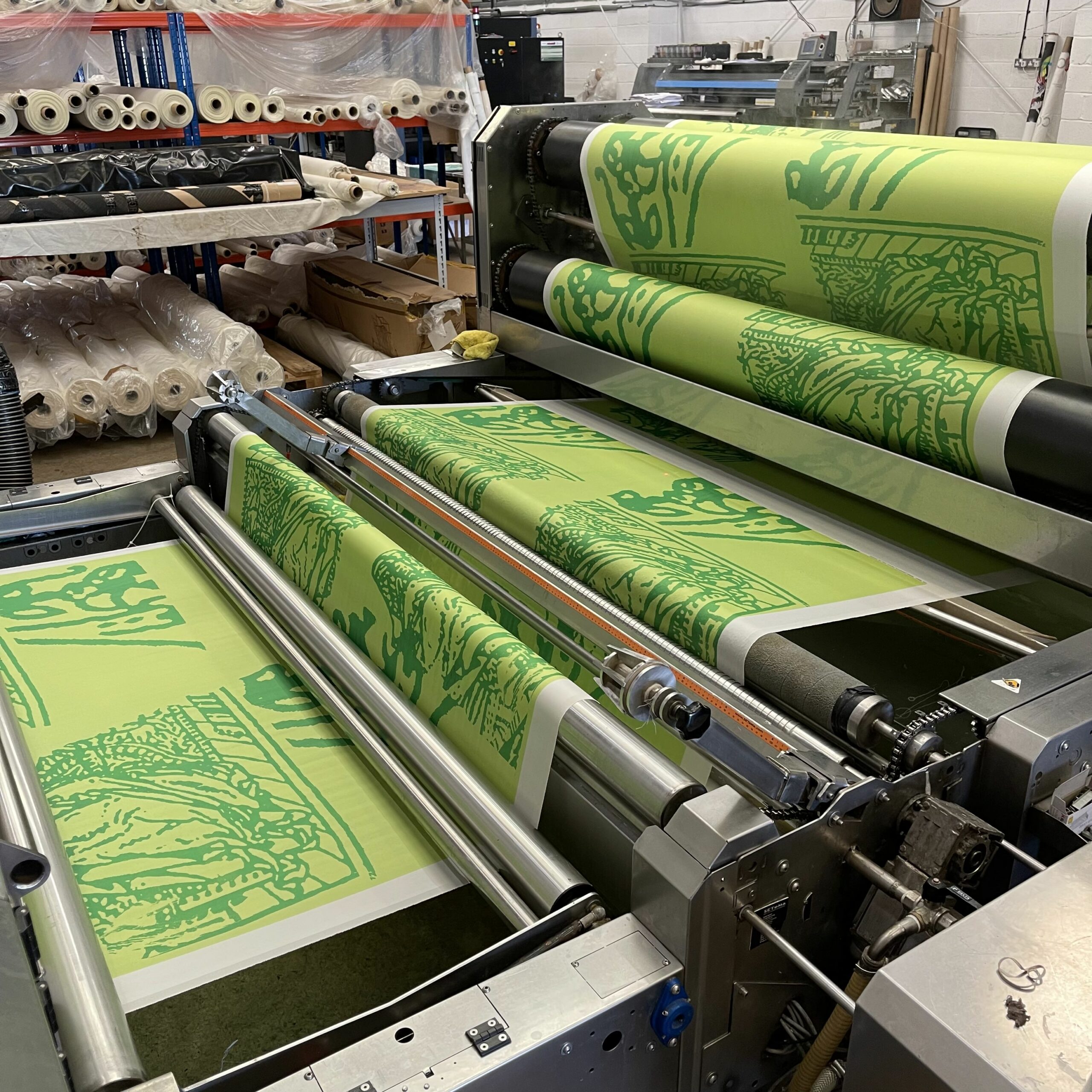
Digital textile printing has revolutionized the textile industry by enabling precise designs, vibrant colors, and on-demand production. However, maximizing efficiency in digital fabric printing is essential for reducing costs, minimizing waste, and maintaining high-quality outputs.
Digital fabric printing combines advanced technology with creative flexibility, but inefficiencies in workflow, equipment handling, or material preparation can hinder productivity. Streamlining these processes allows manufacturers to deliver faster, more reliable results while optimizing resources.
This guide explores strategies to improve operational efficiency in digital textile printing.
Optimizing Workflow and Production Processes
A well-organized workflow is crucial for enhancing efficiency:
- Plan production schedules to minimize machine downtime and overlaps
- Implement batch processing for similar designs to reduce setup time
- Integrate digital design files with printing machines for seamless execution
Using digital fabric printing, streamlined workflows reduce errors, speed up production, and ensure consistent quality across batches.
Proper Fabric Pre-Treatment
Pre-treatment prepares the fabric for optimal ink absorption and reduces defects:
- Apply appropriate pre-treatment chemicals to enhance adhesion and color retention
- Standardize pre-treatment for different fabric types to minimize inconsistencies
- Automate or optimize drying and curing processes to save time
Effective pre-treatment in digital fabric printing reduces reprints, ensures durability, and improves overall productivity.
Equipment Maintenance and Calibration
Regular maintenance and calibration of printing equipment are critical:
- Clean print heads and nozzles to prevent clogging and color inconsistencies
- Calibrate machines for accurate ink placement and color matching
- Monitor wear and tear to avoid unexpected downtime
Maintaining equipment ensures digital fabric printing runs smoothly, minimizes waste, and maintains high-quality output.
Efficient Use of Inks and Materials
Reducing material waste is another way to enhance efficiency:
- Optimize color profiles to avoid excessive ink usage
- Use software to calculate exact material requirements before printing
- Recycle or repurpose fabric offcuts when possible
Digital printing allows precise ink application, making digital fabric printing highly efficient when material use is carefully managed.
Leveraging Automation and Software Integration
Automation and smart software solutions can improve efficiency:
- Automate repetitive tasks like pattern placement, color correction, and batch processing
- Use design software integrated with printers for real-time adjustments
- Monitor production metrics and error rates to identify bottlenecks
Digital fabric printing benefits from these technologies by reducing manual intervention and speeding up production cycles.
Sustainable Practices for Long-Term Efficiency
Sustainable methods also enhance efficiency:
- Reduce water and energy consumption through optimized processes
- Implement on-demand printing to avoid overproduction
- Select eco-friendly inks and fabrics that require minimal post-processing
These practices not only lower costs but also improve operational sustainability in digital fabric printing.
FAQs
Q1: How can workflow optimization improve digital printing efficiency?
It minimizes machine downtime, reduces errors, and ensures consistent output across batches.
Q2: Why is pre-treatment important for efficiency?
Proper pre-treatment enhances ink adhesion, reduces reprints, and maintains color vibrancy.
Q3: How does equipment maintenance impact productivity?
Regular calibration and cleaning prevent downtime, ensure color accuracy, and extend machine lifespan.
Q4: Can automation reduce labor costs?
Yes, automation streamlines repetitive tasks and accelerates production, allowing staff to focus on quality control.
Q5: How do sustainable practices improve efficiency?
They reduce resource consumption, minimize waste, and support cost-effective production.
Conclusion
Improving efficiency in digital textile printing involves optimizing workflow, ensuring proper pre-treatment, maintaining equipment, managing materials, and leveraging automation. Digital fabric printing provides the technology and flexibility to implement these strategies effectively, reducing waste, cutting costs, and maintaining high-quality outputs.
By integrating these practices, textile manufacturers can enhance productivity, achieve consistent results, and maintain a competitive edge in a fast-paced industry.