



GFC Hair Therapy, or Growth Factor Concentrate therapy, has become a highly sought-after solution for hair thinning, hair loss, and scalp rejuvenation in Islamabad. This minimally invasive, non-surgical treatment uses growth factors derived from the patient’s own blood to stimulate hair follicles, improve hair density, and enhance overall scalp health. While GFC therapy is effective for both men and women, there are important considerations regarding how the treatment may differ between the sexes due to variations in hair loss patterns, hormonal influences, and physiological differences. Understanding these distinctions can help patients make informed decisions and optimize the outcomes of their hair restoration journey. GFC Treatment For Hair in Islamabad has become a popular solution for individuals seeking to restore hair density and improve overall scalp health.
Hair Loss Patterns in Men vs Women
Men and women often experience hair loss differently, which influences the approach to GFC therapy. In men, androgenetic alopecia, commonly known as male pattern baldness, is the most prevalent form of hair loss. It typically begins with a receding hairline at the temples and thinning at the crown, progressing to more extensive baldness over time. This pattern is largely driven by dihydrotestosterone (DHT), a derivative of testosterone, which causes hair follicles to shrink and eventually stop producing hair.
Women, on the other hand, tend to experience diffuse hair thinning rather than concentrated bald spots. Female pattern hair loss often manifests as a widening part line or overall reduction in hair density across the scalp. Hormonal changes, including fluctuations in estrogen and progesterone levels, as well as conditions like polycystic ovary syndrome (PCOS), can contribute to hair thinning in women. These differences in hair loss patterns influence how GFC therapy is planned and administered for men and women in Islamabad.
Treatment Approach and Customization
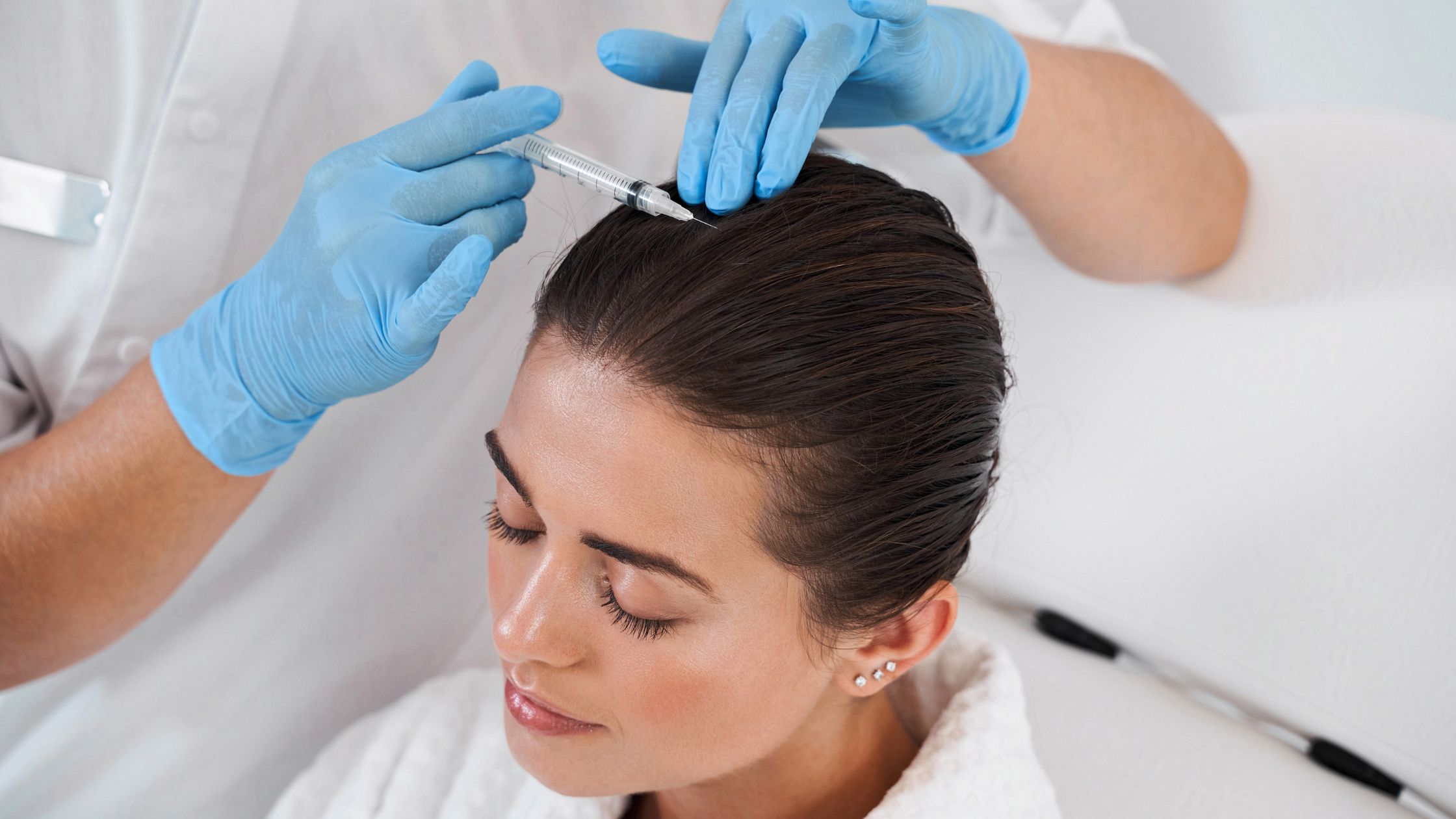
GFC therapy is highly customizable, allowing specialists in Islamabad to tailor the treatment according to individual needs. For men, treatment typically focuses on the temples, crown, and frontal scalp where androgenetic alopecia is most pronounced. The therapy aims to reactivate dormant follicles, slow follicular miniaturization, and promote thicker hair growth in these targeted areas.
For women, the treatment is often more widespread, addressing overall thinning rather than specific bald patches. Injections may be administered across the entire scalp to enhance density, improve follicle health, and strengthen existing hair. Specialists may also consider underlying hormonal factors in women and provide complementary recommendations, such as nutritional support or hormonal evaluation, to maximize the effectiveness of GFC therapy.
Response to Treatment
While both men and women respond well to GFC therapy, results can vary due to differences in hair follicle biology and hormonal influences. Men with early-stage male pattern baldness tend to see significant improvements in hair thickness and density, especially when the therapy is combined with lifestyle measures or supportive treatments. Women often experience gradual but noticeable improvements in hair density and texture, particularly when hormonal balance and nutritional status are addressed alongside GFC therapy.
The timing and frequency of sessions may also differ. Men with more localized hair loss may require focused treatments at fewer injection points, whereas women with diffuse thinning might need broader coverage and potentially more sessions to achieve uniform density. Regular follow-up sessions are important for both sexes to maintain long-term results and reinforce follicular regeneration.
Safety and Side Effects
GFC therapy is considered safe for both men and women because it uses the patient’s own blood-derived growth factors, reducing the risk of allergic reactions or immune complications. Minor side effects, such as temporary redness, swelling, or tenderness at injection sites, may occur but generally resolve within a few days. The minimally invasive nature of the procedure makes it suitable for individuals of both sexes, with minimal downtime and a low risk of complications.
Additional Considerations for Men and Women
Lifestyle, nutrition, and overall health play important roles in the effectiveness of GFC therapy for both men and women. Adequate protein intake, vitamins, minerals, and essential fatty acids are crucial to support hair follicle health and maximize the benefits of growth factor injections. Women may also need to address hormonal imbalances, thyroid issues, or iron deficiencies to achieve optimal results, while men may benefit from strategies to reduce DHT levels or manage stress.
In conclusion, GFC Therapy for Men vs Women in Islamabad is a versatile and effective solution for hair restoration, with treatment protocols tailored to the unique patterns and causes of hair loss in each sex. While men often require targeted therapy for specific bald areas and women benefit from broader scalp coverage, both can achieve significant improvements in hair density, strength, and scalp health. By understanding these differences, following post-treatment care guidelines, and addressing lifestyle and nutritional factors, patients can maximize the long-term benefits of GFC therapy and enjoy stronger, healthier, and more resilient hair.