


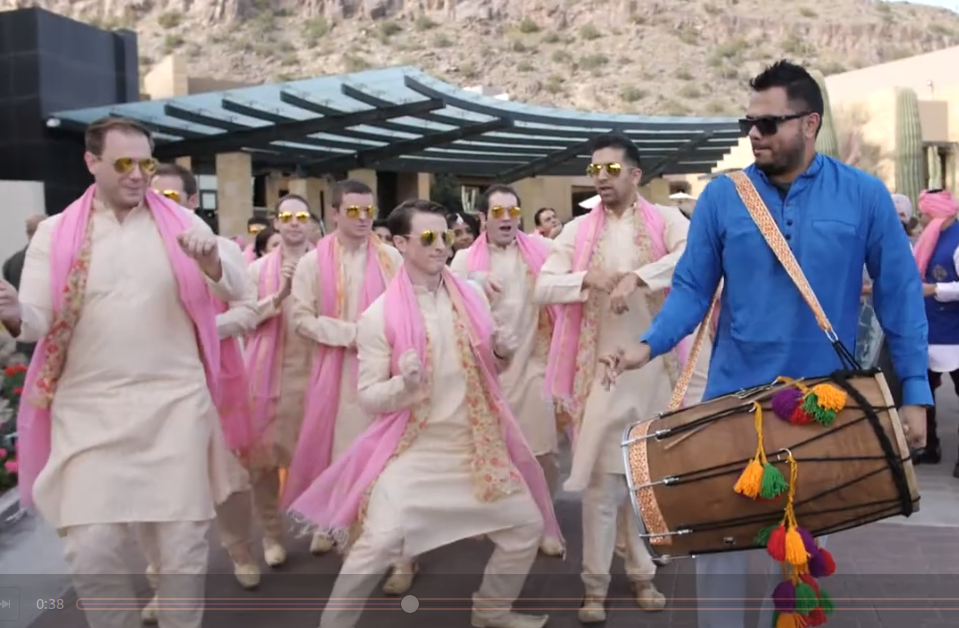
Celebrations change with the changing times, and music is the underlying beat that unites people. Modern event planning tends towards immersive sound, instead of background noise, making the rhythmic experience a central feature. In this era of new musical interest host are increasingly exploring the possibility of dhol player services in Arizona as a means to add vibrancy, tempo and a sense of cultural richness to their events.
The Growing Influence of Percussive Event Experiences
The modern audience expects events to be alive, pulsing active, and emotionally charged. Percussion-led performances are an increasingly popular choice because they create motion into the venue prior to the first step hitting the floor. The dhol, thanks to its powerful resonance, is now among the top powerful instruments to create that immediate rush of energy.
Event planners are increasingly looking at percussive performances not only for entertainment but also as a design element. A powerful percussive opening can attract attention of guests, indicating changes or highlighting important events. If it is used to mark the entrance, dance segments or sequences to engage the crowd, the Dhol’s music has a distinct presence that creates the mood in a matter of minutes.
This shift is in line with a larger trend: parties are no longer about traditional routines, and more about bringing moments to are lively and interactive. Percussion is a great tool to help because people are naturally responsive to rhythms and turn gatherings into engaging events.
Music as a Narrative, Not a Background Element
A well-executed Dhol sequences do more than create noise, it can create emotional height. The beats that are layered can create tension, accentuate milestones or bring people together with a unified beat. Event organizers typically try to create arcs – rises and dips that reflect the pace of the celebration. the dhol is especially designed to shape these changes.
The role of a dhol player nowadays is often a performing art. They’re an element of design walking through crowds, engaging with dancers or performing with live DJs and musicians. The fusion of performance presence and rhythmic skill transforms basic beats into narrative cues to guide the flow of the event.
The increasing demand for this kind of interaction demonstrates how people now want experiences that are more immersive than inactive. Instead of having music floating over their heads, people prefer music that is able to move along with their movements.
Why Percussive Energy Elevates Modern Events
The increase in the rhythmic integration between events is largely influenced by social media culture. Events that are energetic, visually captivating and full of motion are the most popular videos on the internet. The performance of a dhol player naturally follows this trend since the instrument’s intensity is well-represented both on camera and in person.
Another benefit is its versatility. The dhol is easily adaptable to different types of events, such as cultural events, celebrations for corporate clients weddings, or parties because its rhythm is universal. Even in international locations, traditional instruments can help keep the celebration grounded with the cultural heritage and emotions.
When paired with modern sound production techniques, percussive elements can create a multi-layered experience. DJs typically mix beats with dhol sequences, creating an edgy music that appeals to different audience. This combination has resulted in an increased appreciation of live entertainment as a component of the modern design for entertainment.
Crafting Atmosphere Through Live Interaction
Event designs are now favored by those who are cohesive, rather than merely pieces of. Music plays an important role in cohesion by tying together choreography, lighting, and flow of guests. The dhol, thanks to its ability to adapt fluidly, helps enhance these elements by providing the structure needed for shifts.
Performers often collaborate with producers and planners to manage timing. The stage shows, entrances and shift-moments are boosted when they are accompanied by rhythmic signals. A timed beat drop that is well-timed can increase the anticipation. constant patterns keep people interested during the shifts of programming.
The use of sound in this way is in line with the general trends of the industry which emphasize multi-sensory experiences. Sound is not an isolated element and is integrated with lighting designs, stage movement and crowd energy to create a holistic experience.
Understanding the Cultural and Social Impact of the Dhol
The significance of the dhol’s culture is a major reason why it is a significant part of important celebrations. It is a tradition of commemorating celebrations, gatherings, and celebrations. When properly integrated it can create the illusion of continuity between contemporary forms of celebration and the long-standing cultural traditions.
Guests are often able to connect more deeply to the music because it triggers emotions that are instinctual. The deep bass of a barrel drum coupled with the fast, higher-pitched beats stimulates listeners physically as well as mentally. This is why people often choose to use the dhol to mark important moments that require more emotional resonance.
The social aspect is a factor. Dhol performances are a natural way to bring crowds together, whether in dancing circles, procession-style entryways or even group celebrations. Dhol acts as an instrument for bringing people together and encourages guests to take part instead of just watching.
Synchronizing Percussion With Modern Event Technology
Technology has revolutionized how live performances are integrated into the events. The latest sound systems let performers sync with DJ tracks, lighting as well as ambient sound, resulting in an immersive sonic experience that is hybrid. Dhol musicians often collaborate with DJs to create beats per minute to ensure smooth transitions and synced effects.
Lighting designers favor percussive performance since rhythm creates an predictable pattern that allows for fluid lighting changes. Video production teams benefit also from percussion since it helps structure highlight reels and events’ recaps.
The increasing synergy between traditional instruments and new production tools is a sign of a bigger trend in the design of events that blends tradition and innovation. This allows celebrations to be modern and yet emotionally grounded.
The Evolution of Rhythm-Centered Event Moments
The reason percussive instruments are such a powerful tool is their ability to control the emotional pace. The events naturally flow with anticipation of celebration, reflection and reflection. A professional performer trained to be able to perform these emotional beats, in a single moment.
High-energy sections thrive with quick and layered beats. Even more formal events are enhanced by steady, controlled beats. Interactive sequences let performers be able to move around the audience and transform rhythm into an interactive experience instead of an exclusive stage event.
This flexibility makes the dhol-led moments are believable and that is becoming the mainstay of modern day event organizing.
Rhythm as the Core of Memorable Celebrations
As parties continue to shift towards experience-driven design and a focus on a symphony of sound will expand. Live percussion, particularly instruments with depth of culture and visual impact, adds an old-fashioned yet modern touch. It combines the traditional with the modern in creating emotional arcs of sound that continue to resonate for a long time after the event has ended.
The increasing the demand for the services of a dhol musician in Arizona is a sign of how planners and hosts appreciate performances that help guests become part of the event rather than just spectators. By combining visually intense energy with rhythmic accuracy and symbolic significance, these events create memories that are relived in the memories and in the spirit.