



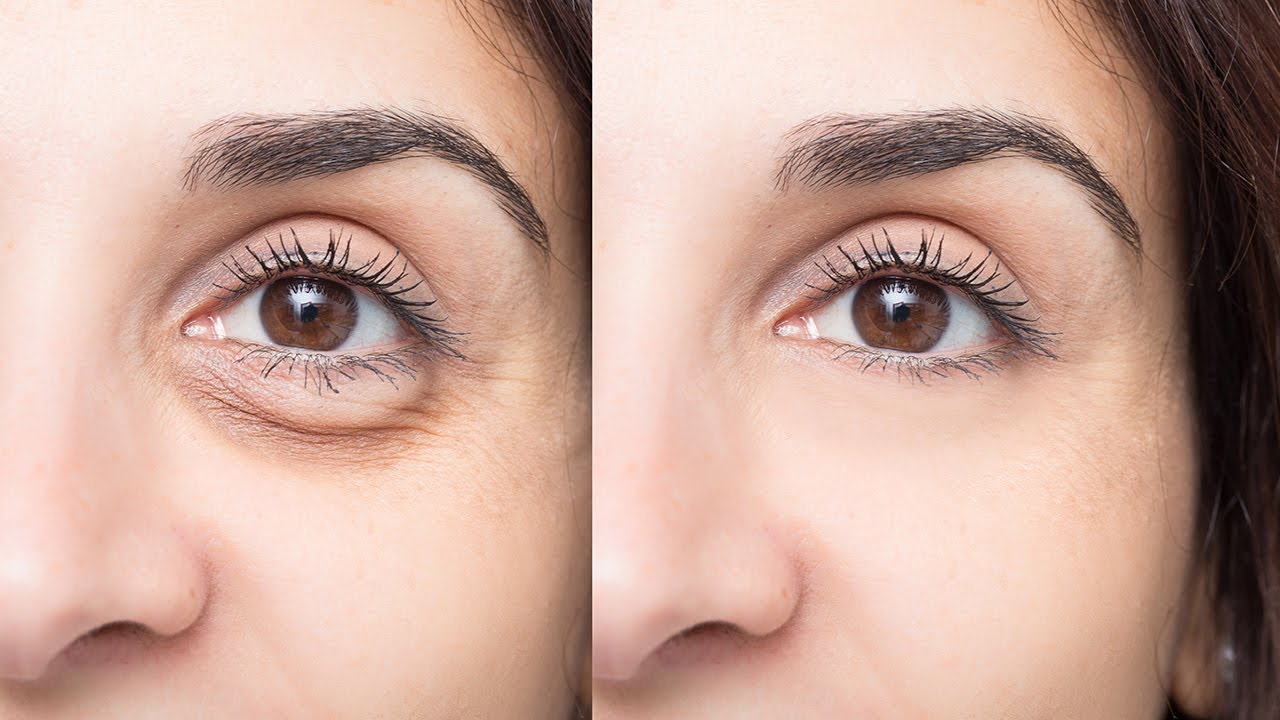
Dark Circles Treatment in Islamabad often involves addressing not only cosmetic concerns but also the underlying causes of under-eye darkness. One commonly overlooked factor is allergies, which can significantly contribute to the formation and worsening of dark circles. Allergic reactions trigger a series of physiological changes in the body that directly affect the delicate skin under the eyes. Understanding how allergies influence dark circles is essential for developing a comprehensive approach to treatment and prevention. Dark Circles Treatment in Islamabad offers effective solutions for reducing under-eye pigmentation and improving the overall appearance of tired eyes.
Allergies occur when the immune system reacts to normally harmless substances, such as pollen, dust, pet dander, or certain foods. These reactions can produce symptoms like sneezing, nasal congestion, itchy eyes, and inflammation. One of the most visible manifestations of allergies is the development of periorbital darkening, often referred to as “allergic shiners.” These dark circles are typically bluish or purplish due to venous congestion—the pooling of blood in the small veins under the eyes. The delicate skin in this area is thin, making the underlying blood vessels more visible, which contributes to the appearance of darkness.
Rubbing and scratching the eyes, which is a common response to allergy-induced itching, further exacerbates dark circles. Frequent rubbing irritates the skin, breaks small capillaries, and can cause inflammation and pigmentation changes over time. This mechanical trauma, combined with vascular congestion, creates a pronounced shadowed effect that intensifies the appearance of under-eye darkness. Individuals with chronic allergies are particularly prone to this type of damage, making the management of allergic symptoms crucial for reducing dark circles.
Nasal congestion, another common symptom of allergies, also plays a role in the formation of dark circles. Congestion can restrict proper blood flow, causing the veins under the eyes to dilate and become more visible. Additionally, sinus pressure from allergic reactions can create swelling and puffiness in the under-eye area, further emphasizing the darkness. In some cases, the combination of puffiness and venous congestion can create a more pronounced “sunken” appearance, making dark circles appear deeper and more persistent.
Certain allergies can also lead to chronic inflammation, which contributes to long-term skin changes. Inflammatory responses increase the permeability of blood vessels, causing minor leakage that results in discoloration. Over time, repeated inflammation can trigger post-inflammatory hyperpigmentation, where the skin produces excess melanin in response to irritation. This can result in brownish or reddish under-eye circles, especially in individuals with darker skin tones. Thus, allergies not only cause temporary darkening but can also contribute to long-lasting pigmentation changes if not properly managed.
Managing allergies is therefore an integral part of addressing dark circles. Avoiding triggers such as pollen, dust, or certain foods can reduce allergic reactions and prevent the formation of dark circles. Regular cleaning of living spaces, using air purifiers, and minimizing exposure to allergens are practical steps that can make a significant difference. In addition, antihistamines or other allergy medications prescribed by a healthcare professional can control symptoms like itching, swelling, and congestion, thereby reducing the mechanical and vascular effects that worsen dark circles.
Topical treatments can also complement allergy management. Eye creams or serums containing soothing and anti-inflammatory ingredients, such as hyaluronic acid, vitamin C, niacinamide, or peptides, can strengthen the under-eye skin, reduce puffiness, and improve circulation. Additionally, cold compresses or gentle massage can temporarily relieve swelling and venous congestion caused by allergic reactions, helping to lighten the appearance of dark circles.
Lifestyle measures, including proper sleep, hydration, and a nutrient-rich diet, further support the skin’s resilience against the effects of allergies. Adequate rest and hydration improve circulation and help reduce puffiness, while vitamins and antioxidants support collagen production and skin health, making the under-eye area less susceptible to discoloration.
In conclusion, allergies are a significant but often overlooked contributor to dark circles in Islamabad. Venous congestion, chronic inflammation, mechanical irritation from rubbing, and sinus-related puffiness all combine to create noticeable under-eye darkness. Effective Dark Circles Treatment involves not only topical and cosmetic solutions but also proactive allergy management. By identifying and avoiding triggers, using medications when necessary, and supporting skin health with proper hydration, nutrition, and targeted skincare, individuals can significantly reduce the impact of allergies on under-eye dark circles. Addressing both the internal and external factors ensures a comprehensive approach that promotes brighter, healthier, and more youthful-looking eyes.