


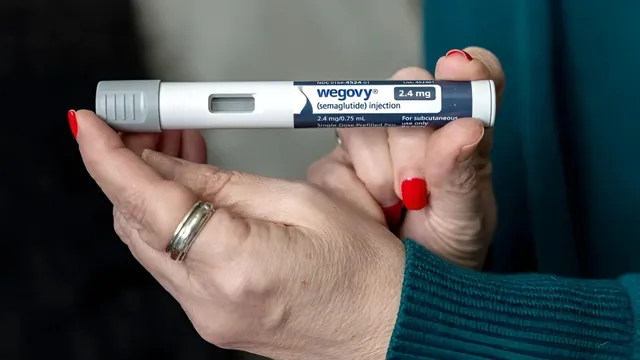

Tirzepatide, sold under the brand name Mounjaro, has quickly become one of the most widely used medications for Type 2 Diabetes and weight management. While most patients receive Mounjaro in the Mounjaro KwikPen 2.5 mg formulation, there are situations where a vial formulation may be used or considered.
Although both forms contain the same active ingredient—tirzepatide—their design, delivery method, ease of use, dosing, and patient experience can differ dramatically. Understanding these differences helps ensure proper administration and safer use, especially for beginners starting the 2.5 mg starter dose.
This guide breaks down the full comparison between the Mounjaro 2.5 mg vial and the KwikPen, including dosing accuracy, preparation steps, storage, cost differences, safety considerations, and which option may be better for different patients.
1. Overview of Mounjaro Formulations
Mounjaro is available in multiple strengths (2.5 mg to 15 mg), and most markets offer it primarily in a prefilled KwikPen device.
However, a vial formulation also exists, generally intended for:
- Clinics
- Hospitals
- Specialty compounding situations
- Patients requiring custom doses
- Rare supply shortages of pens
Both deliver tirzepatide subcutaneously (into the fat layer under the skin), but the method differs significantly.
2. What Is the Mounjaro 2.5 mg KwikPen?
The KwikPen is a disposable, prefilled injection device designed for easy self-administration.
Key characteristics:
- Pre-measured dose: 2.5 mg
- No mixing required
- Disposable after one use
- Automatic needle insertion (in certain versions)
- Clear dose window
- Designed for home use
- Requires minimal training
Most patients prefer the KwikPen because it eliminates guesswork.
3. What Is the Mounjaro 2.5 mg Vial?
The vial formulation contains tirzepatide in a multi-dose or single-dose vial format.
Key characteristics:
- Requires a syringe for dosing
- Users draw up their dose manually
- Common in clinical settings
- May be used during supply shortages
- Requires more training and precision
- Higher risk of dosing error if unsupervised
Vials are rarely given to typical patients unless there is a justified medical need.
4. Dosing Accuracy: KwikPen vs. Vial
KwikPen: Highly accurate
The pen ensures a fixed, exact dose each time. Since the 2.5 mg pen contains one injection only, dosing mistakes are nearly impossible.
Vial: User-dependent accuracy
Manually drawing medication increases error risk:
- Air bubbles
- Incorrect volume withdrawal
- Using improper syringe type
- Difficulty measuring small doses
For new users or those with vision or dexterity issues, the vial option is significantly less safe.
5. Ease of Use: Which One Is Simpler?
KwikPen – Very easy for beginners
- Twist
- Inject
- Dispose
There is no assembly, drawing, or needle attachment.
Vial – Requires skill and training
Users must:
- Clean the vial top
- Draw up medication
- Eliminate air bubbles
- Use the correct needle size
- Inject manually
This option is better for trained professionals than everyday patients.
6. Preparation and Injection Steps
KwikPen Steps
- Inspect pen and dose window
- Attach needle
- Prime pen (depending on model)
- Inject into thigh, abdomen, or arm
- Hold for 10 seconds
- Dispose properly
Vial Steps
- Clean vial
- Prepare syringe
- Draw correct volume
- Remove air bubbles
- Inject medication manually
- Dispose syringe safely
The vial process involves more steps and room for error.
7. Which One Is Safer?
KwikPen Safety Advantages
- Minimal handling
- Accurate fixed dose
- Lower contamination risk
- Less needle exposure
- Lower dosing error rate
Vial Risks
- Potential contamination if vial is mishandled
- Incorrect dose measurement
- Risk of reusing syringes (unsafe)
- Injection site errors
For home use, the KwikPen is significantly safer.
8. Storage Differences Between Vial and Pen
Both forms require refrigeration before use.
KwikPen Storage:
- Store in fridge
- Can stay at room temperature for 21–30 days (check label)
- Protect from light
- Do NOT freeze
Vial Storage:
- Same temperature rules
- Must track multi-dose vial opening date
- Higher risk of contamination if stored improperly
Pens are easier to store because they are individually sealed.
9. Shelf Life and Stability
KwikPen:
Each pen is only used once, so stability concerns are minimal.
Vial:
Once opened, the multi-dose vial may only last 28 days, depending on formulation. Patients need careful date tracking.
KwikPens therefore have fewer stability problems.
10. Cost Differences
Costs vary by region and insurance, but usually:
KwikPen
- Higher convenience = higher price
- Often covered by insurance
- Predictable cost structure
Vial
- Generally cheaper per mg
- May be used to reduce costs in bulk
- Requires syringes and needles (added cost)
For patients paying out of pocket, vials may seem attractive—but only if dosing competence is high.
11. Who Should Use the KwikPen?
The KwikPen is ideal for:
- Beginners
- Patients with no injection experience
- Those with vision or dexterity challenges
- Older adults
- People with busy schedules
- Anyone wanting the simplest option
- Most Type 2 Diabetes users
- Those using Mounjaro for weight loss
This is the most common and safest option.
12. Who Might Use the Vial Formulation?
Although much less common, vials may be used for:
- Clinical settings administering multiple doses
- Patients needing a custom tirzepatide dose
- Patients unable to access pens due to shortage
- Those trained in insulin vial-syringe use
- Cost-saving reasons (rare)
Providers must ensure patients receive proper training before vial use.
13. Requirements for Proper Vial Use
Patients must be trained in:
- Sterile technique
- Using U-100 or appropriate syringes
- Drawing up exact doses
- Recognizing contamination
- Safe needle disposal
Inadequate training increases risk of infection or misdosing.
14. Differences in Needle Sizes
KwikPen Needles:
- Typically 4mm to 8mm
- Attached during use
- Designed for painless administration
Vial Needles:
- Must be selected manually
- Risk of using incorrect size
- Larger needles may cause discomfort
The KwikPen offers superior comfort and precision.
15. Patient Safety Outcomes: What Studies Suggest
Studies of GLP-1 and GIP agonist users show that:
- Prefilled pens have lower error rates
- Needle-stick injuries are lower
- Contamination is rare
- User satisfaction is higher
- Adherence improves significantly
Vial users often report:
- Injection anxiety
- Measurement inaccuracies
- Wastage due to mistakes
These factors influence long-term results.
16. Which Is Better for Mounjaro 2.5 mg Beginners?
The KwikPen is unquestionably the best choice for the 2.5 mg starter dose.
Reasons:
- Guaranteed dose
- No measuring required
- Less room for error
- Lower infection risk
- Fewer steps
- Designed for self-injection training
The vial is rarely recommended as a first-line choice.
17. Insurance and Pharmacy Availability
In most regions:
- KwikPens are the standard supplied form
- Vials are limited in retail pharmacies
- Vials often require special ordering
- Insurance typically prefers pens due to standardization
Patients seeking a vial need prior authorization or a specific medical reason.
18. Common Mistakes to Avoid
KwikPen Mistakes:
- Not holding the dose long enough
- Not checking the dose window
- Injecting through clothing
- Using expired pens
Vial Mistakes:
- Incorrect dose measurement
- Drawing air bubbles
- Reusing needles (dangerous)
- Touching sterile parts
- Incorrect injection depth
Training reduces these risks significantly.
19. Future Availability: Will Vials Become Common?
As tirzepatide demand continues to rise, manufacturers may expand vial production to support:
- Institutional use
- Custom dosing
- Large-scale clinical administration
However, for self-injection, pens will remain the dominant form.
Conclusion
Both the Mounjaro 2.5 mg vial and the KwikPen contain the same active ingredient, but they differ in nearly every practical aspect—ease of use, dosing accuracy, safety, storage, and patient training needs. For most patients, especially beginners, the KwikPen is safer, more convenient, and significantly easier to use.
The vial option is more appropriate for trained healthcare professionals or specific situations where pens are not available or custom doses are required.
Choosing the right form can improve safety, reduce errors, and enhance long-term adherence to tirzepatide therapy.