




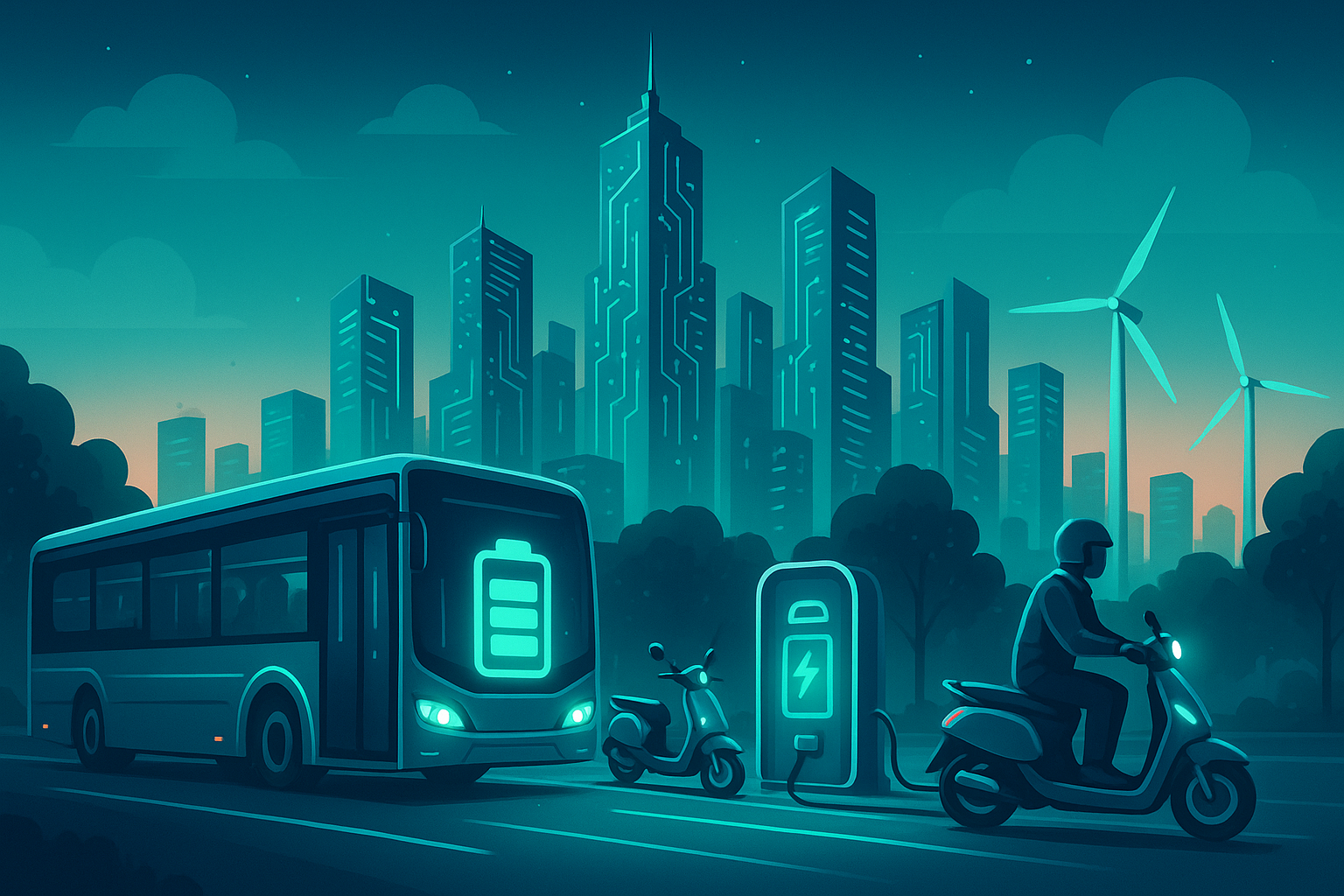
The way we produce, store, and use energy is changing faster than most of us expected. A decade ago, renewable power felt like a distant dream—something admirable but not quite ready for everyday life. Today, however, the rapid rise of clean technology has made it clear that the future isn’t just electric… it’s smart, flexible, and deeply connected. At the center of this transformation is the battery energy storage system, often called BESS, along with a newer star in the industry: the High Voltage ESS Battery. These technologies are reshaping how homes, businesses, and even entire communities think about power.
Why Energy Storage Matters More Than Ever
If you’ve ever lived through a power outage during a heatwave or worried about rising electricity costs, you already understand the value of energy independence. Renewable energy sources like solar and wind are fantastic, but they’re not always predictable. The sun sets. The wind slows. Without a reliable way to store excess energy for later use, we end up leaning on traditional fossil-fuel systems to fill the gaps.
That’s where modern energy storage comes in. A battery energy storage system acts like a reservoir—quiet, efficient, and ready to deliver power the moment it’s needed. Whether paired with solar panels on a home or deployed at utility scale, BESS helps balance supply and demand, reduce peak usage costs, and strengthen grid resilience. And because the technology continues to improve, the systems available today deliver more energy, last longer, and charge faster than ever before.
The Rise of High Voltage ESS Battery Technology
So, what makes a High Voltage ESS Battery different from traditional storage? In simple terms: power and efficiency. High-voltage systems can move large amounts of electricity more quickly and with fewer losses, making them ideal for applications where performance really matters.
For homeowners, that might mean being able to run high-demand appliances without straining the system. For businesses, it could translate into better load management or smoother backup transitions. On a utility scale, high-voltage storage supports grid stabilization, frequency regulation, and even rapid response during emergencies.
What I find exciting about this new wave of technology is how quietly it integrates into everyday life. The best tech doesn’t shout—it just works. And that’s exactly what modern high-voltage energy storage offers: seamless reliability without the noise, fuel smell, or maintenance headaches that come with traditional generators.
Pairing BESS With Renewable Energy
If you’ve ever considered installing solar panels, or you already have them but feel like you’re not using their full potential, pairing them with a battery energy storage system can be a game-changer. Instead of pushing excess solar power back to the grid (often for a low credit), you can store that energy and use it during the evening when electricity rates are higher. It’s a simple shift that can significantly cut your utility bill.
High-voltage storage takes this concept a step further by supporting larger solar arrays or even hybrid renewable setups. As more homeowners and businesses adopt electric vehicles, the ability to store and distribute energy at higher voltages will only become more important.
What the Future Looks Like
We’re entering a world where energy systems aren’t just passive utilities—they’re part of a smart, adaptive ecosystem. With digital monitoring, AI-based optimization, and ever-advancing battery chemistry, the next generation of BESS and High Voltage ESS Battery technology will likely be even more efficient and affordable.
Final Thoughts
The shift toward clean energy isn’t slowing down, and energy storage is the backbone that makes it all possible. Whether you’re a homeowner wanting more control over your power or someone simply curious about where the energy sector is headed, understanding systems like BESS and high-voltage ESS battery technology puts you ahead of the curve. The future of energy is flexible, sustainable, and surprisingly accessible—and these storage systems are helping lead the way.