




Back when we were kids, most of our animal encounters include visits to the zoos and marine parks. Our parents bring us to see lions, elephants, dolphins, and other exotic creatures up close, believing it’s a way to inspire curiosity and compassion for wildlife. But growing up, we start to wonder: how can wild birds stand being in a cramped cage 24/7? Or why does the lone chimpanzee walk in circles? Or how was it possible to pet a ferocious tiger in the first place?
As awareness about animal welfare grows, many are starting to question whether these traditional forms of “education” truly help animals or harm them.
Today’s parents and educators are rethinking what it means to teach kids about animals responsibly. While not all zoos are unethical, many facilities continue to face criticism for exploiting animals, keeping them in unnatural conditions, and prioritizing entertainment or profit over welfare. Thankfully, there are more sustainable and humane ways to help children connect with nature and understand the importance of protecting our planet’s wildlife.
The Problem With Traditional Zoos and Animal Attractions
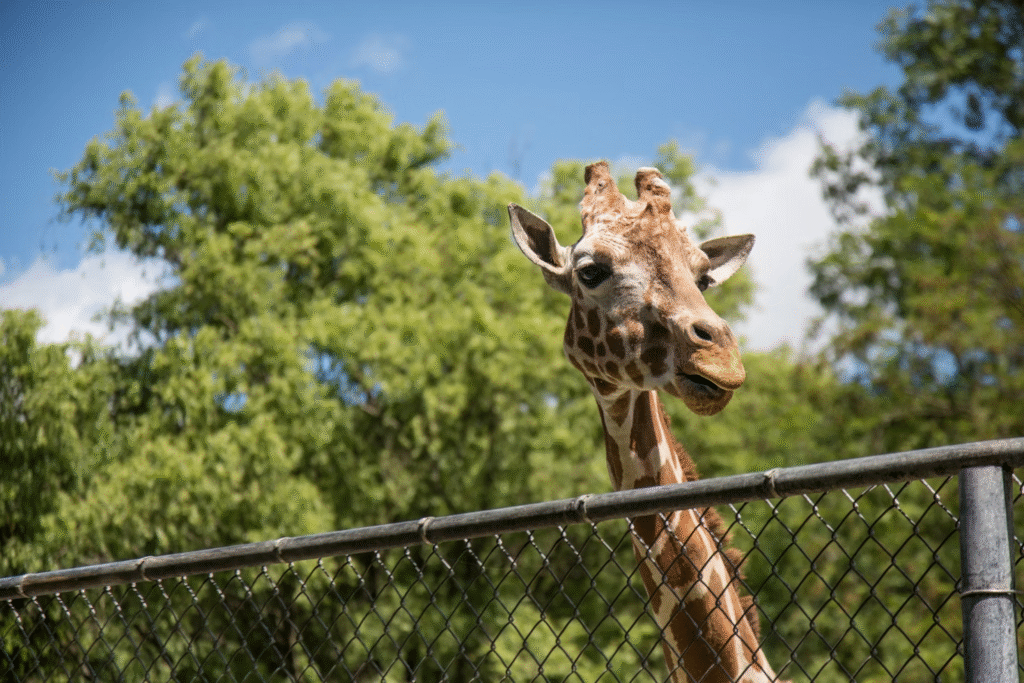
Despite their educational facade, many zoos and marine parks operate under conditions that compromise animal health and well-being. We see wild animals confined in small, artificial enclosures that cannot replicate their natural habitats. They may lack proper mental stimulation, freedom of movement, and social structures essential to their species.
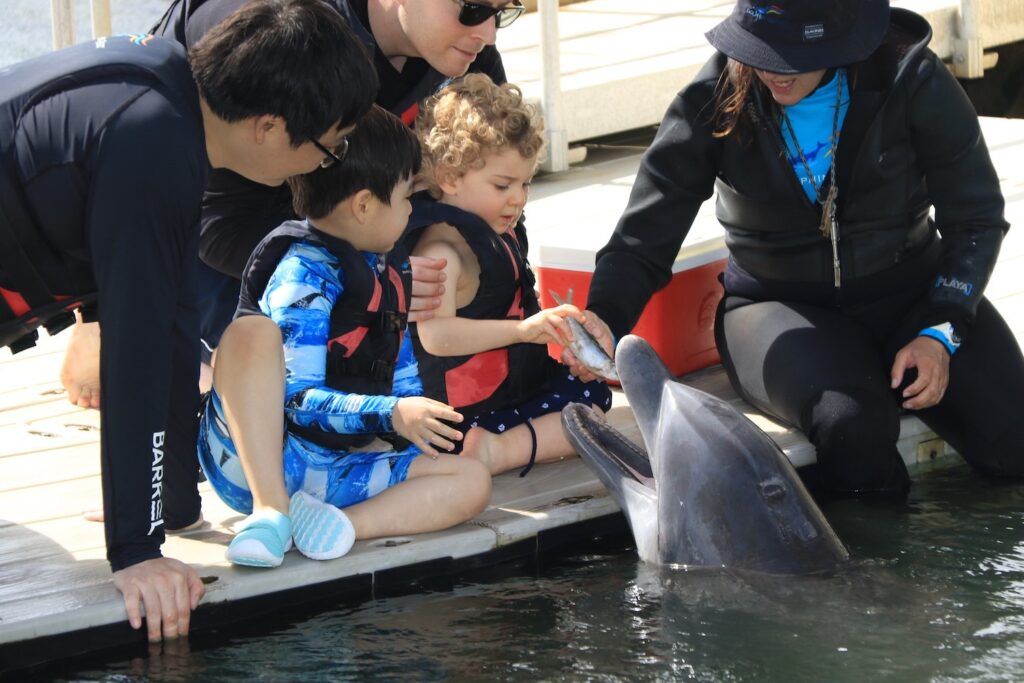
For instance, large mammals like elephants and big cats are known to roam vast territories in the wild. In captivity, they may pace endlessly, sway, or show other signs of psychological distress, behaviors known as “zoochosis.” Marine animals like dolphins and orcas, which naturally travel long distances in the ocean, are forced to perform tricks in shallow tanks, leading to stress, disease, and shortened lifespans.
While some modern zoos have improved their enclosures and conservation programs, there’s still an ongoing debate about whether wild animals can ever truly thrive behind bars. True education, after all, should not come at the cost of another being’s suffering.
The Rise of Ethical and Sustainable Animal Education
Thankfully, a growing number of educators, parents, and conservationists are promoting ethical, sustainable alternatives that allow children to learn about animals without contributing to exploitation. These experiences focus on respect, empathy, and environmental awareness, helping kids understand animals as sentient beings rather than spectacles.
Here are some of the best sustainable options:
1. Visit Wildlife Sanctuaries and Rescue Centers

Wildlife sanctuaries crucially differ from zoos: their mission is to rescue and rehabilitate animals rather than breed or display them for entertainment. Many sanctuaries care for animals rescued from illegal trade, neglect, or captivity. Visitors can observe these animals from a respectful distance while learning about their stories and the importance of conservation.
For example, a sanctuary might house birds of prey that can no longer hunt, or elephants that were once used in logging or tourism. These visits can teach children valuable lessons about compassion, animal rights, and the impact of human actions on wildlife.
Sanctuaries often work closely with veterinarians and use animal health solutions that focus on rehabilitation and natural behavior enrichment. Such programs ensure animals recover both physically and emotionally, serving as models for responsible animal care.
2. Explore Educational Farms
Ethical and sustainable farms can be excellent learning environments for children. Unlike industrial farms that prioritize profit, educational or ethical farms allow kids to see firsthand how animals live, eat, and interact naturally. They can learn how proper care, clean environments, and nutritious feed contribute to animal welfare and the quality of produce.
Children can also participate in activities like feeding chickens, milking cows, or harvesting vegetables. These hands-on experiences help them appreciate the link between responsible farming practices, animal health, and sustainable food systems.
Many of these farms implement animal health solutions that emphasize humane treatment, disease prevention, and eco-friendly waste management—showing how ethical farming supports both the planet and our food.
3. Visit Natural History and Science Museums
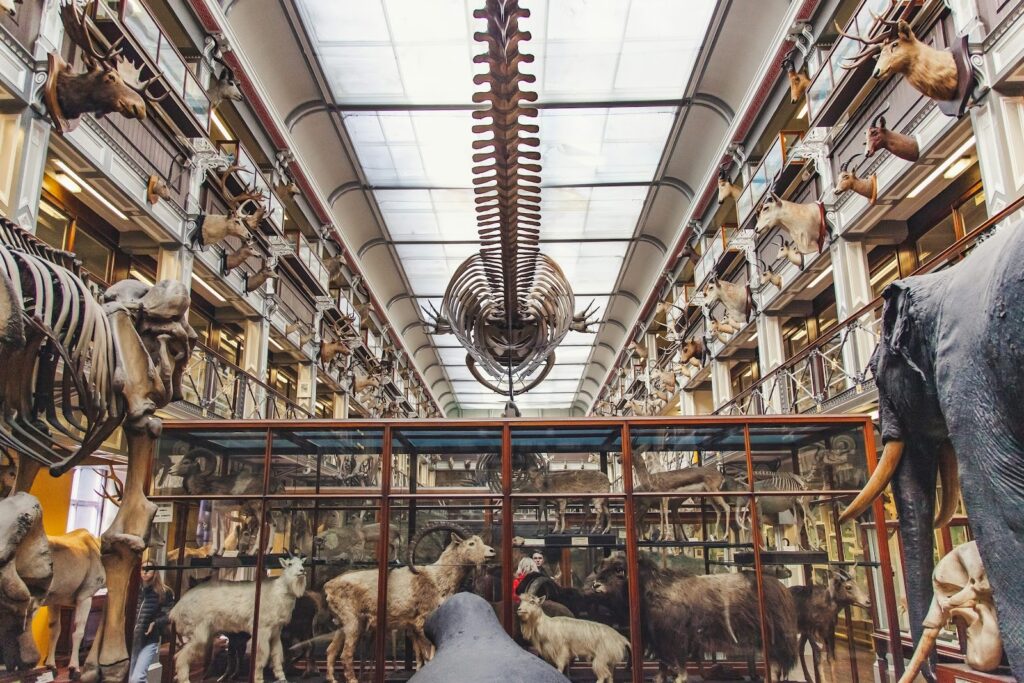
For a more controlled yet equally inspiring experience, museums provide a window into the animal kingdom without live captivity. Natural history museums offer exhibits on ecosystems, biodiversity, and evolution, using fossils, replicas, and interactive displays.
Some modern museums also integrate digital technology, such as augmented reality (AR) or virtual reality (VR), allowing visitors to “meet” animals in their natural environments. Kids can “swim” with whales, “walk” beside dinosaurs, or “observe” lions on the savanna, all without confining a single living creature.
This approach supports both education and conservation awareness, bridging the gap between curiosity and compassion.
4. Engage in Nature Walks and Outdoor Learning
Sometimes, the most powerful lessons come directly from nature itself. Taking children on hikes, bird-watching trips, or forest explorations can cultivate a deep appreciation for wildlife. Through these activities, kids learn to observe animals in their true habitats, from insects and birds to amphibians and mammals, while respecting their space and behavior.
Outdoor programs, such as guided eco-tours or community reforestation projects, can also foster environmental responsibility. They help children see themselves as part of the ecosystem, understanding how human choices like pollution, deforestation, and waste affect all living things.
5. Support Animal Welfare Programs and Eco-Friendly Initiatives
Schools and families can also partner with organizations that promote animal health solutions and sustainable ecosystems. These may include local veterinary outreach programs, wildlife rehabilitation groups, or community animal health campaigns.
Encouraging children to volunteer or raise funds for such causes nurtures empathy, leadership, and a sense of responsibility toward other living beings. It also reinforces the idea that caring for animals means protecting their habitats and ensuring a balanced environment.
Teaching the Next Generation Empathy and Responsibility
Rethinking animal education isn’t just about changing where we take children; it’s about reshaping what we teach them. Ethical animal education nurtures empathy, curiosity, and critical thinking—traits that empower young minds to question exploitative systems and champion practices that protect both people and wildlife.
We don’t need to confine wild creatures to cages to inspire awe; we can foster it through technology, nature-based experiences, and compassion-driven learning. Supporting sanctuaries, sustainable farms, and other humane educational spaces helps shape a generation that values all living beings. And when kids learn that animals are not here for our amusement but are essential to the balance of nature, they grow into compassionate, responsible stewards of the planet.
In the end, we want to teach this powerful lesson: True respect for animals means observing them on their own terms, in their own home, or supporting those who rescue and protect them.
Author Bio: Carmina Natividad is a daytime writer for Abbey Labs, an Australian company offering reliable animal health solutions to support the wellbeing of pets and livestock. She loves creating easy-to-read content about animal care, veterinary tips, and the latest solutions that help animals live healthier lives.