




Summary
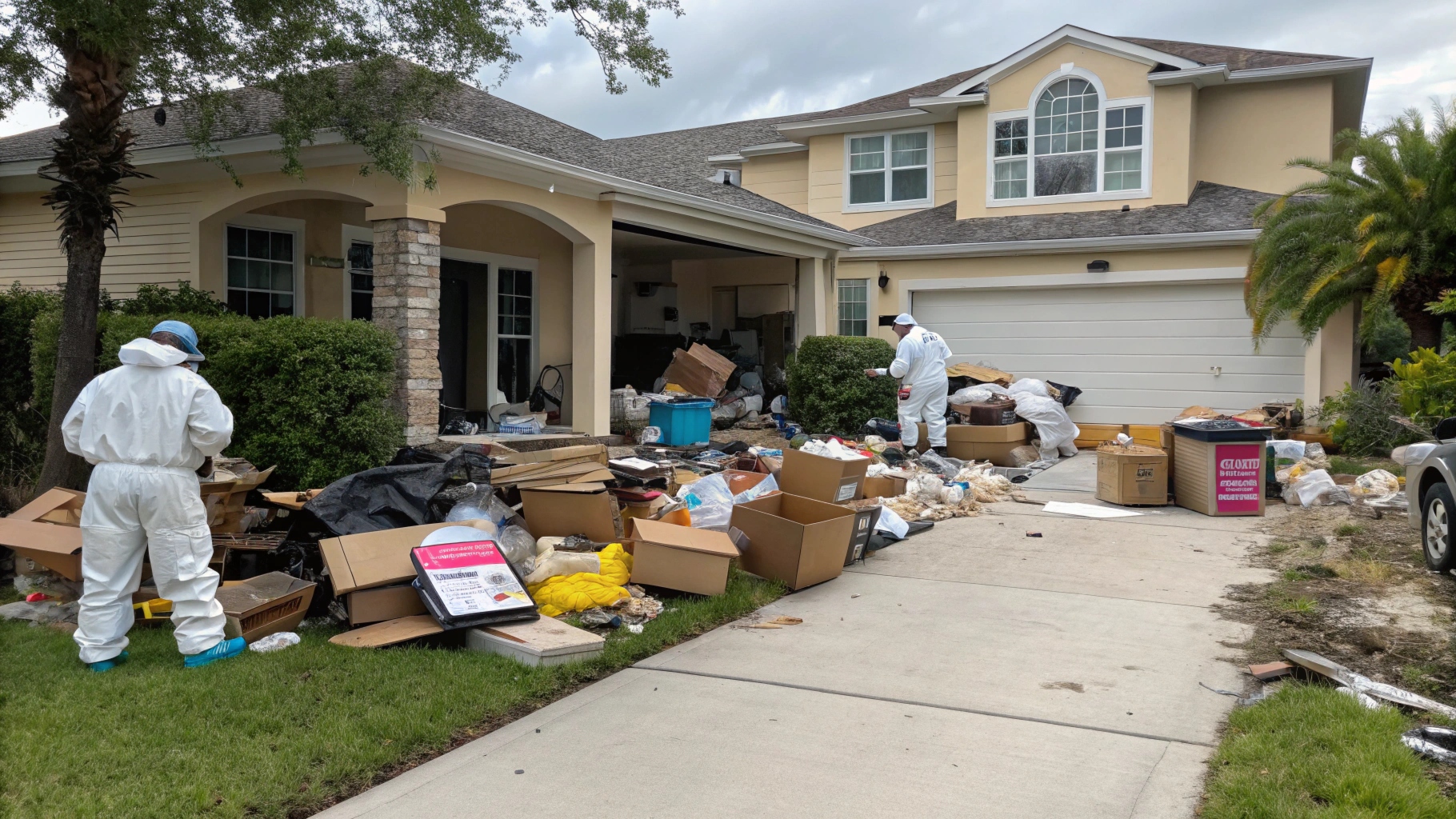
Severe hoarding turns a home into a safety emergency, not just clutter. In Morrisville, NC, stuffed rooms and narrow “goat paths” increase fire danger, block exits, and delay firefighters or paramedics. Unstable stacks cause trips and falls, while hidden moisture, food waste, and debris promote mold, poor air quality, and pest infestations. The weight of accumulated items can conceal leaks and strain floors or walls. Professional hoarding cleanup reduces these risks through a phased, respectful process: assessing hazards, sorting items to keep, donate, or discard, removing debris, deep cleaning and sanitizing, treating odors, and repairing damage. Beyond clearing space, it restores safe movement, functional rooms, healthier living conditions, and dignity for residents. Compassionate support also helps prevent re-accumulation over time.
–
Introduction
Severe hoarding situations rarely happen overnight. What starts as “saving things just in case” can quietly grow into a home packed floor-to-ceiling with belongings, trash, and sometimes even hazardous waste. In Morrisville, NC, where many families live in close neighborhoods or shared communities, hoarding doesn’t just affect one person. It can put residents, neighbors, and first responders at risk.
The moment a home becomes difficult to walk through, cook in, or safely exit during an emergency, it stops being “clutter” and starts being a safety crisis. That’s where hoarding morrisville, NC cleanup steps in, not to judge, but to restore the space to a livable, safe home again.
Why Severe Hoarding Becomes a Real Safety Emergency
Hoarding creates multiple layers of danger, most of which are invisible until the situation is extreme.
Fire risks and blocked exits.
One of the biggest threats is fire. Hoarded paper, clothing, boxes, and plastics become fuel. When piles crowd hallways or cover stoves and heaters, ignition risks rise sharply. Even worse, exits can be blocked, trapping people inside during a fire. The U.S. Fire Administration notes that hoarding conditions can prevent safe escape and make firefighting more dangerous because firefighters can’t move quickly or see hazards clearly.
Falls, injuries, and limited mobility.
Narrow “goat paths” through rooms, unstable stacks, and slippery debris create a constant tripping risk. Falls are a leading cause of injury in hoarded homes, especially for older adults.
Mold, pests, and air-quality hazards.
When clutter absorbs humidity, blocks airflow, or hides leaks, mold spreads fast. Food waste and damp materials attract rodents, roaches, and insects that can carry disease. Poor ventilation also traps dust and allergens, worsening asthma and other respiratory issues.
Structural strain and hidden damage.
Overloaded floors and walls may begin to warp under the weight of hoarded items. Plumbing leaks, electrical faults, or roof damage can stay hidden for years under piles, turning small maintenance problems into expensive repairs.
In short, severe hoarding isn’t just messy; it can make a home unsafe to live in.
What Professional Hoarding Cleanup Looks Like in Morrisville
A quality hoarding cleanup is structured, safety-first, and compassionate. Here’s what typically happens.
Assessment and safety plan.
Professionals start with a walkthrough (when safe) to map hazards: bio-waste, sharp objects, pests, mold, or structural concerns. They also identify priority zones like exits, kitchens, and bathrooms. This plan protects both the residents and the cleanup crew.
Sorting, removal, and salvage.
Cleanup teams separate items into categories: keep, donate, recycle, and discard. This is not a rushed dump-everything process. In many cases, the resident is involved step-by-step to reduce distress and prevent relapse. Anything valuable or meaningful is documented and handled carefully.
Deep cleaning, odor control, and sanitation.
Once clutter is removed, crews tackle what’s underneath: stained floors, rotting food, animal waste, and embedded odors. Industrial disinfectants, HEPA filtration, and targeted odor treatment restore basic hygiene.
Repairs and restoration to livable condition.
The final stage is about returning the function to the home. That can mean minor fixes like replacing damaged drywall or carpets, or larger repairs if plumbing or electrical systems were compromised. The goal is not just “clean,” but safe and usable.
How Cleanup Restores a Home (Not Just Removes Stuff)
People often think hoarding cleanup is mainly hauling junk out. In reality, the biggest win is what comes back afterward:
- Safe movement and exits. Hallways, doorways, and staircases reopen so residents can walk normally and escape quickly in emergencies.
- Functional rooms again. Kitchens can be cooked in, bathrooms can be used, and beds can be slept in. That’s life-changing for daily dignity.
- Faster emergency response. Clear access means paramedics or firefighters can do their job without losing precious time.
- Healthier air and fewer infestations. Removing moisture-trapping clutter and waste reduces mold and pest recurrence.
When done right, cleanup restores a home’s safety baseline and makes staying there sustainable.
The Human Side Compassionate Cleanup Supports Long-Term Change
Hoarding is often linked to anxiety, trauma, depression, or OCD-related symptoms. So physical cleanup alone doesn’t solve everything. The most effective services use a no-shame, person-centered approach, recognizing that the belongings often feel tied to identity or security.
In North Carolina, community hoarding task forces and mental-health supports exist to pair cleanup with ongoing care. Good cleanup teams will encourage this kind of support when appropriate, helping families avoid a painful cycle of re-accumulation.
Conclusion
Severe hoarding situations can feel overwhelming, but they are absolutely solvable with the right help. Professional cleanup improves fire safety, lowers health risks, restores functional living space, and protects both residents and the wider community. If you’re facing a challenging situation, hoarding morrisville,NC services can provide a structured, respectful path back to a safe home one step at a time.
FAQs
Q1. Is hoarding cleanup different from regular house cleaning?
A. Yes. It includes hazard assessment, bulk removal, sanitation, and often restoration.
Q2. How long does severe hoarding cleanup take?
A. It depends on the volume and hazards, but professional teams work in structured phases for safety.
Q3. Can the resident stay involved during cleanup?
A. Usually yes when safe because involvement improves comfort and long-term results.