




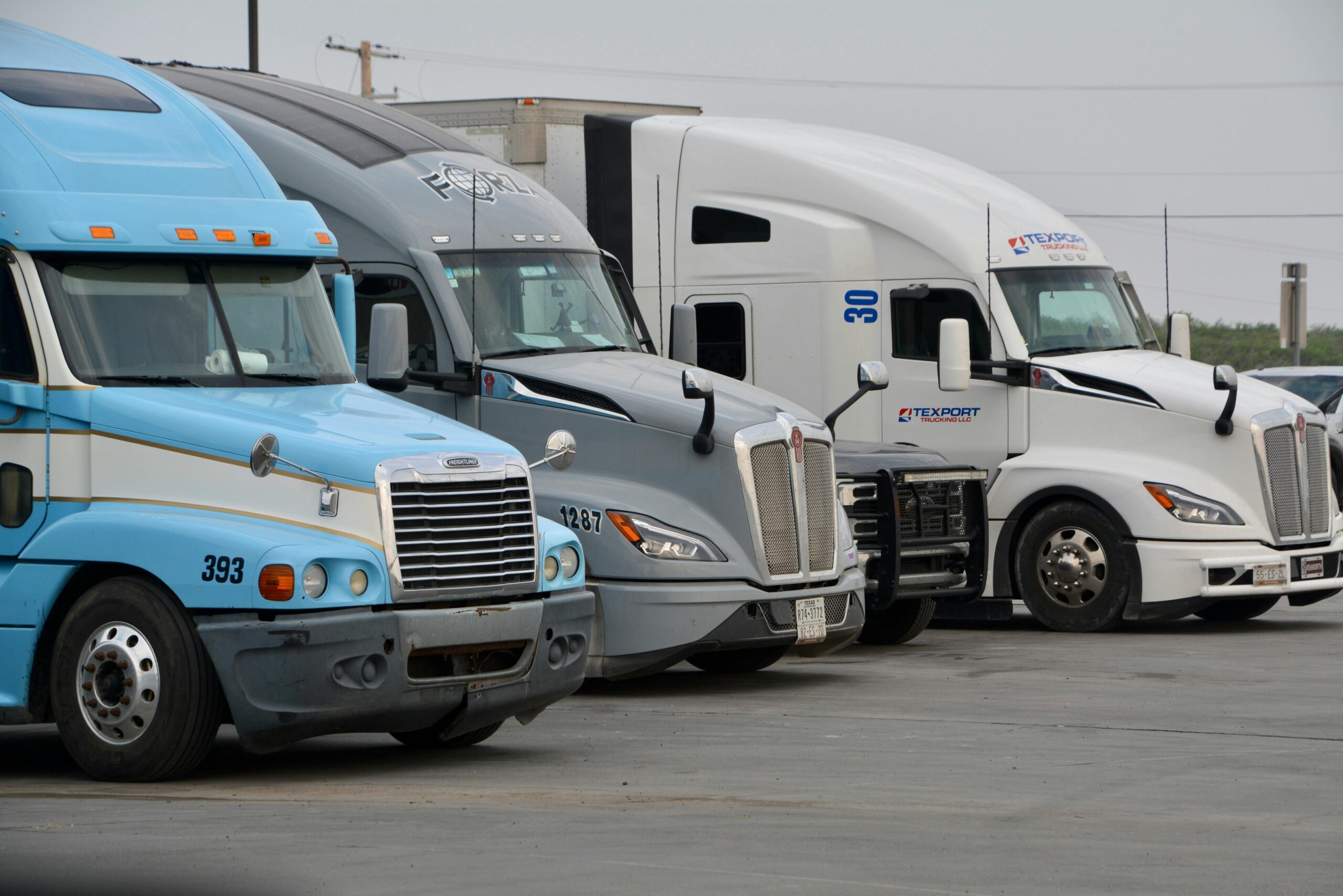
Starting a trucking business can be a strong move for any entrepreneur looking for vehicle-based operations. Freight demand stays strong, the industry supports nearly every part of the economy, and the earning potential can be impressive once operations start to scale. A well-run fleet can generate predictable cash flow and long-term growth.
But trucking is also a business that comes with severe risks. One accident, one equipment failure, or one legal issue can turn a promising venture into a costly setback. The entrepreneurs who succeed are the ones who treat risk management as part of their core planning, keeping operations steady when something unexpected happens.
This is where insurance plays a vital role.
Before breaking down the main risks, it helps to understand why trucking carries more weight than other vehicle-based businesses.
Are Trucking Businesses Riskier Than Other Vehicle-Based Operations?
Many people compare trucking to car rentals, shuttle services, or public utility vehicles. These industries rely on vehicles, too, but trucking often carries a higher level of risk for several reasons.
- Severity of Accidents: Trucks’ size and weight turn minor collisions into significant, costly claims. Long highway hours increase exposure to driver fatigue and serious road hazards.
- High-Value Cargo: Carriers are liable for expensive freight (e.g., electronics, perishables) if it is damaged, lost, or stolen.
- Costly Downtime: A single truck out of service can cause a massive, immediate revenue gap, and replacements are neither quick nor affordable.
- Strict Regulation: The industry faces intense compliance pressure regarding inspections, driver hours, and safety rules, leading to potential fines and forced downtime.
All of these factors make strong protection essential. Different policies address different risks, and together they provide a safety net that helps trucking companies operate with confidence.
8 Top Risks Trucking Businesses Face
Here are the main risks that affect trucking companies and the types of insurance that help manage them.
1. Accident Exposure

Trucks spend long hours on busy roads, which raises the chance of collisions even with skilled drivers. Heavy traffic, tight delivery windows, and unpredictable motorists all add daily exposure.
How insurance helps:
- Motor Fleet Insurance policy can cover vehicle damage and liability claims.
- Commercial Auto Liability insurance protects your business if others are injured or property is damaged.
- Medical payments coverage and personal accident insurance can support drivers involved in a crash. This combination reduces the financial hit and keeps trucks moving.
2. Mechanical Breakdowns
A truck off the road is lost revenue. Breakdowns happen with little warning. Engines fail. Tires blow. Essential parts wear down under heavy loads. Repairs can be costly, and delays can strain client relationships.
How insurance helps:
- Physical Damage Coverage (part of motor fleet insurance) is essential, covering repairs for collisions, sudden damage, and wear that leads to unexpected failure.
- Breakdown Assistance can be added to cover emergency repairs and towing costs, getting the unit back to a maintenance facility quickly.
- Replacement Vehicle Coverage, when offered, helps you continue operations while repairs are underway, minimizing downtime losses.
3. Cargo Loss or Damage
Shippers expect goods to arrive on time and intact. When cargo is stolen, spoiled, or damaged, you may be held responsible. Claims can escalate fast with high-value loads.
How insurance helps:
- Cargo Insurance is the primary protection here. It covers stolen, damaged, or lost goods while in transit. Some policies also compensate for debris removal and storage fees. This keeps disputes manageable and protects your relationship with clients.
4. Legal and Regulatory Problems
Trucking must follow strict rules on documentation, hours of service, safety protocols, and regular inspections. One mistake can trigger fines, delays, and legal action. Disputes may also arise from accidents, contracts, or employment issues.
How insurance helps:
- Commercial Auto Liability Insurance is the primary protection, handling legal defense, settlements, and court fees specifically tied to covered vehicle accidents.
- Commercial General Liability (CGL) Insurance protects your business from claims tied to bodily injury or property damage that occur outside the vehicle’s operation (e.g., someone slips at your terminal or a loading dock incident).
- Legal Expense Insurance can help cover the cost of attorneys and court fees for specific non-auto-related disputes, such as contract issues or employment claims.
5. Theft and Vandalism

Cargo theft, fuel theft, and stolen truck parts are rising concerns. Vandalism can put a truck out of service with one incident.
How insurance helps:
- Comprehensive coverage within motor fleet insurance can protect against theft, vandalism, and weather-related damage.
- Crime Insurance can cover losses tied to fuel theft or internal theft.
6. Driver Shortage and Labor Risk
There is a nationwide shortage of qualified commercial drivers. Competition pushes wages, signing bonuses, and benefits higher every year. Rising labor costs put pressure on margins. Short staffing limits the number of contracts a company can take. It also increases strain on existing drivers, which raises the chance of fatigue and turnover.
How insurance helps:
- Workers Compensation Insurance protects both the business and drivers when injuries occur, improving hiring appeal and lowering turnover. Some insurers also offer risk management support, safety training, and wellness programs that help reduce fatigue and improve driver retention.
7. Fuel Price Volatility
Fuel is one of the top two expenses for any trucking company. Prices can spike fast due to global events or supply issues. If a fleet operates on thin margins or lacks a fuel surcharge clause in its contracts, a sudden rise in diesel cost can wipe out profit for an entire quarter.
How insurance helps:
- While no insurance covers rising fuel prices directly, several policies help protect the business during volatile periods. Business Interruption Insurance can support cash flow when external events disrupt operations and create sudden financial pressure.
8. Cybersecurity and Data Breach
Modern logistics relies on sophisticated software for routing, tracking, and billing. A cyberattack (like ransomware or phishing) can shut down all operational and administrative systems, compromise sensitive financial data, and lead to regulatory fines.
How insurance helps:
- Cyber Liability Insurance covers losses tied to data breaches, system downtime, network restoration costs, regulatory fines, and legal defense/notification costs. This is not included in standard motor fleet policies.
Why Insurance Belongs in Your Trucking Business Plan
New entrepreneurs often focus on equipment, hiring, and securing clients, and they treat insurance as something to finalize later. That approach leads to gaps that can cripple a young operation. Insurance is more than a requirement; it’s a financial tool that protects the business when the unexpected happens.
Motor fleet insurance helps manage the everyday risks tied to running multiple trucks. Cargo insurance protects your clients’ goods. Liability and legal coverage protect your reputation and keep your business running through tough situations.
Planning coverage early helps you match protection to your growth goals, control costs, and avoid surprises that drain cash flow. With the right insurance mix, you can keep your trucking business protected, resilient, and ready to grow.
Author Bio: Carmina Natividad is one of the daytime writers for 360 Underwriting, a specialist agency network supporting insurance brokers with tailored underwriting solutions across sectors like motor, marine, professional indemnity, and plant & equipment. She enjoys crafting practical, jargon-free content that helps brokers better understand complex risks and deliver smarter coverage to their clients.